Please wait... 0%
Please wait... 0%
0813 274 2694
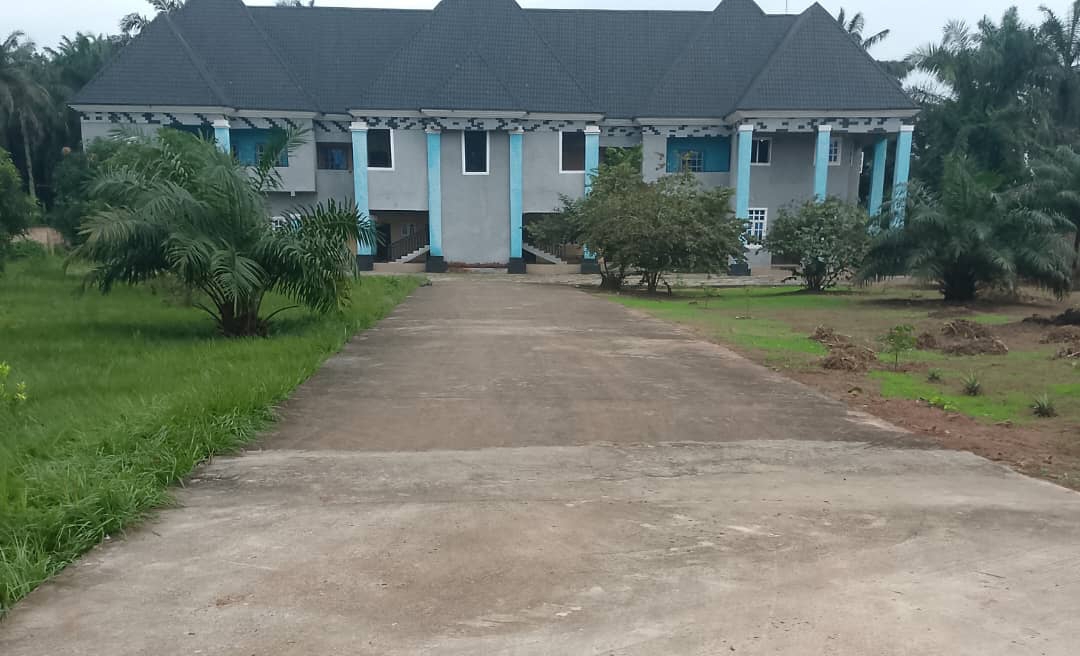
Located in Obohia, Imo state, Our Lady Queen of Angels Polytechnic offers nationally recognized undergraduate degree and diploma programmes.
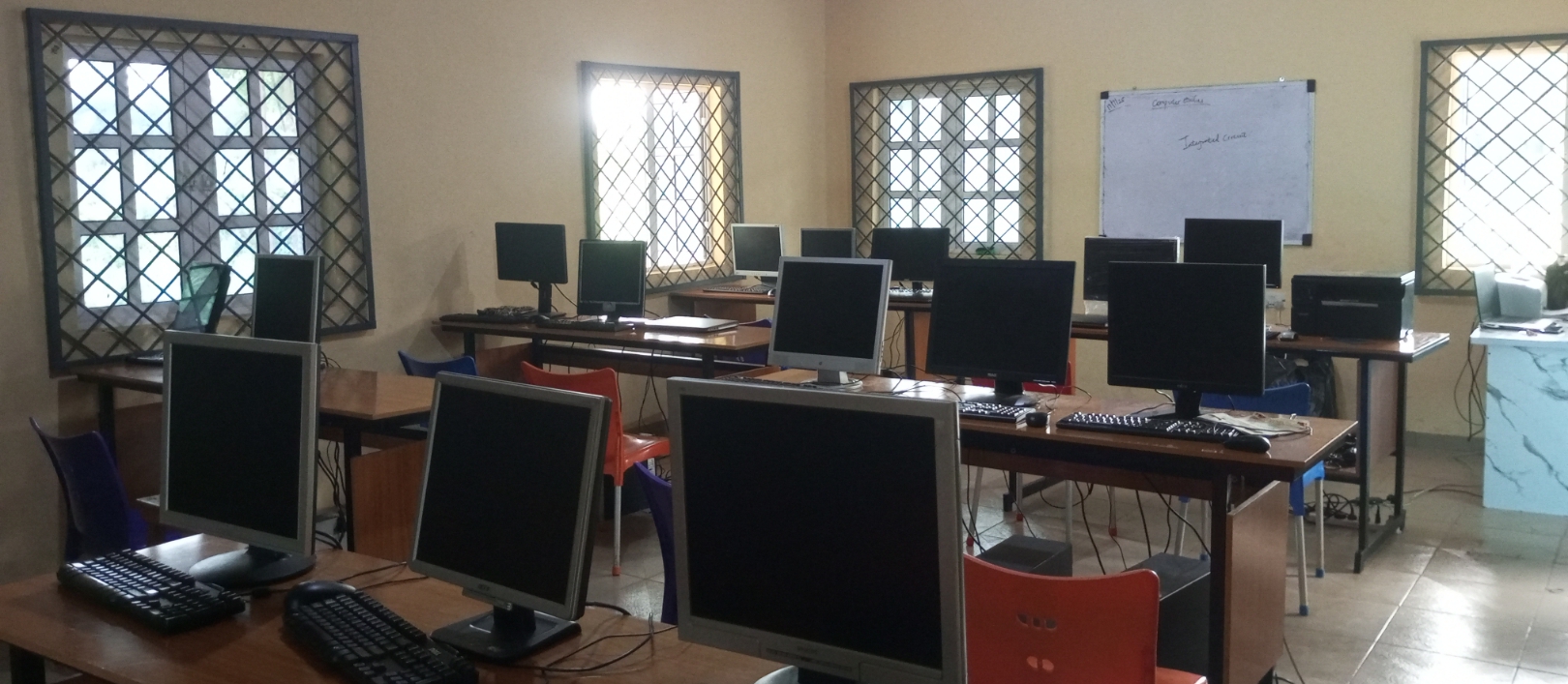
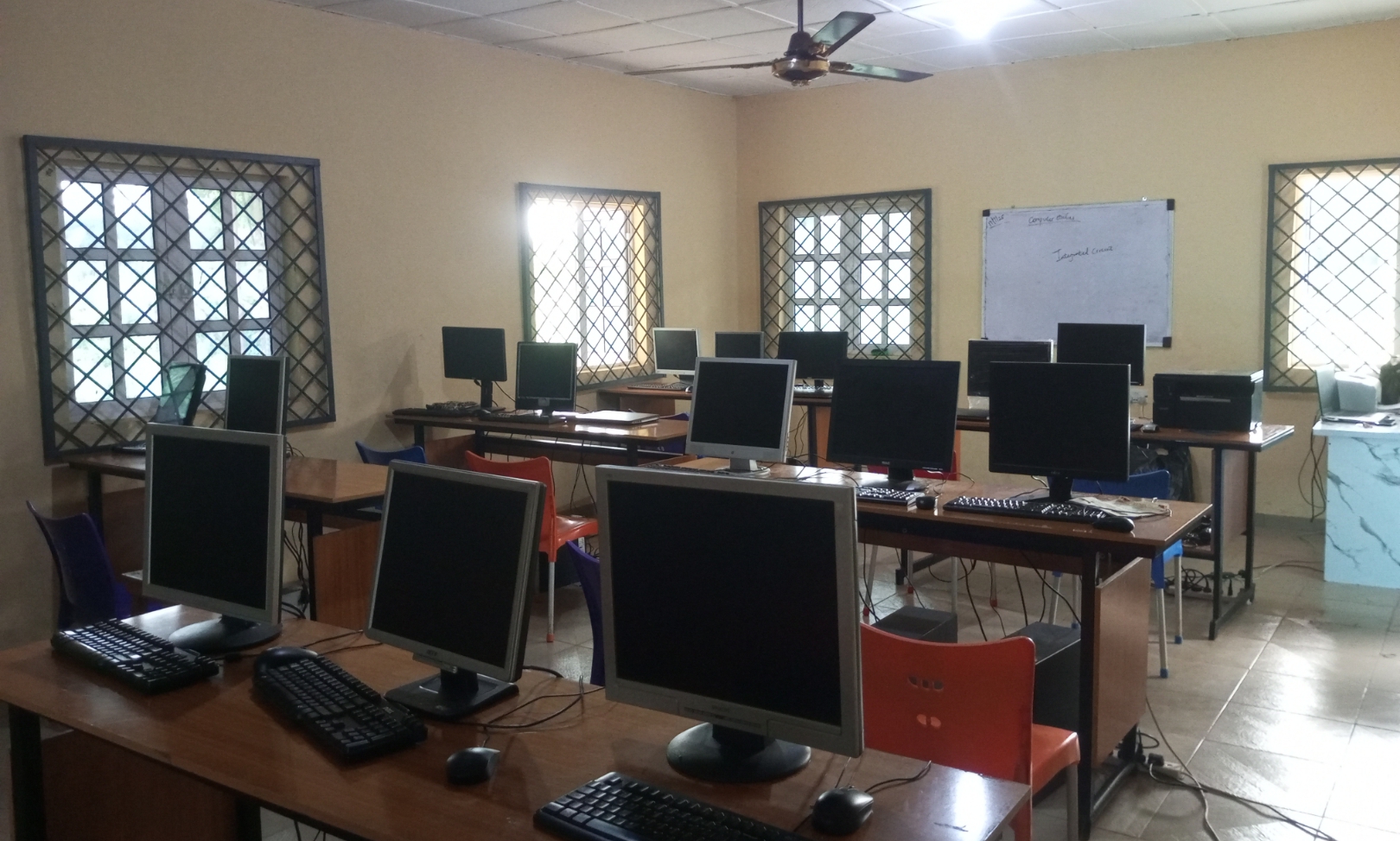
The Computer Technology Department equips students with practical IT and computing skills tailored for local and regional tech needs. Programs emphasize computer hardware, networking, systems administration, and practical software development basics. Labs are fitted with desktop and laptop workstations, networking racks, routers, and basic server setups for hands-on practice in configuring networks, diagnosing hardware faults, and performing system installations.
Curriculum covers IT fundamentals: computer assembly and maintenance, operating systems, networking principles, database basics, and introductory programming. Practical modules include setting up small office home office (SOHO) networks, troubleshooting, and maintaining computer labs. Students also get exposure to basic cybersecurity practices, data backup routines, and user support procedures applicable to small enterprises and institutions.
Software training includes office productivity suites, basic web development, and an introduction to scripting and programming logic. Where possible, the department integrates cloud-based tools and open-source platforms to keep training cost-effective and industry-relevant. Collaboration with local IT businesses offers internships and project-based learning where students assist in real installations and support tasks.
Laboratories are managed with safety protocols, and students are trained in proper handling of electronic components. The department supports student-led tech clubs and coding groups to encourage continuous learning and peer collaboration. Graduates are prepared for roles such as IT support technicians, network administrators, junior web developers, and hardware service engineers, with a practical orientation suited to small to medium enterprises and educational institutions.

The Cinematography Department at Our Lady Queen of Angels Polytechnic teaches the art and craft of visual storytelling through camera work, lighting, and production techniques. The department combines theory with practical workshops in camera operation, lens selection, composition, exposure, and lighting setups for studio and location shoots. Students gain hands-on experience with cameras, tripods, lighting kits, and support equipment to develop technical competence.
Curriculum includes visual storytelling, shot composition, camera movement, color theory, and basic post-production workflows. Practical exercises guide students through short film projects from pre-production planning to shooting and editing. Lighting labs demonstrate three-point lighting, natural light manipulation, and creative uses of light for mood and narrative. Students also learn aspects of production planning, shot listing, and continuity to prepare them for on-set roles.
Post-production modules introduce non-linear editing, color grading basics, and collaboration with sound and production teams. The department encourages low-budget filmmaking techniques and mobile cinematography to ensure accessibility for all students. Collaboration with audio engineering, music, and drama programs creates opportunities for interdisciplinary projects and campus film festivals.
Graduates leave prepared for roles as camera assistants, cinematographers, production coordinators, or indie filmmakers. With emphasis on storytelling, technical skill, and collaborative production, the Cinematography Department aims to produce visually literate practitioners who can work in film, television, and digital media production.
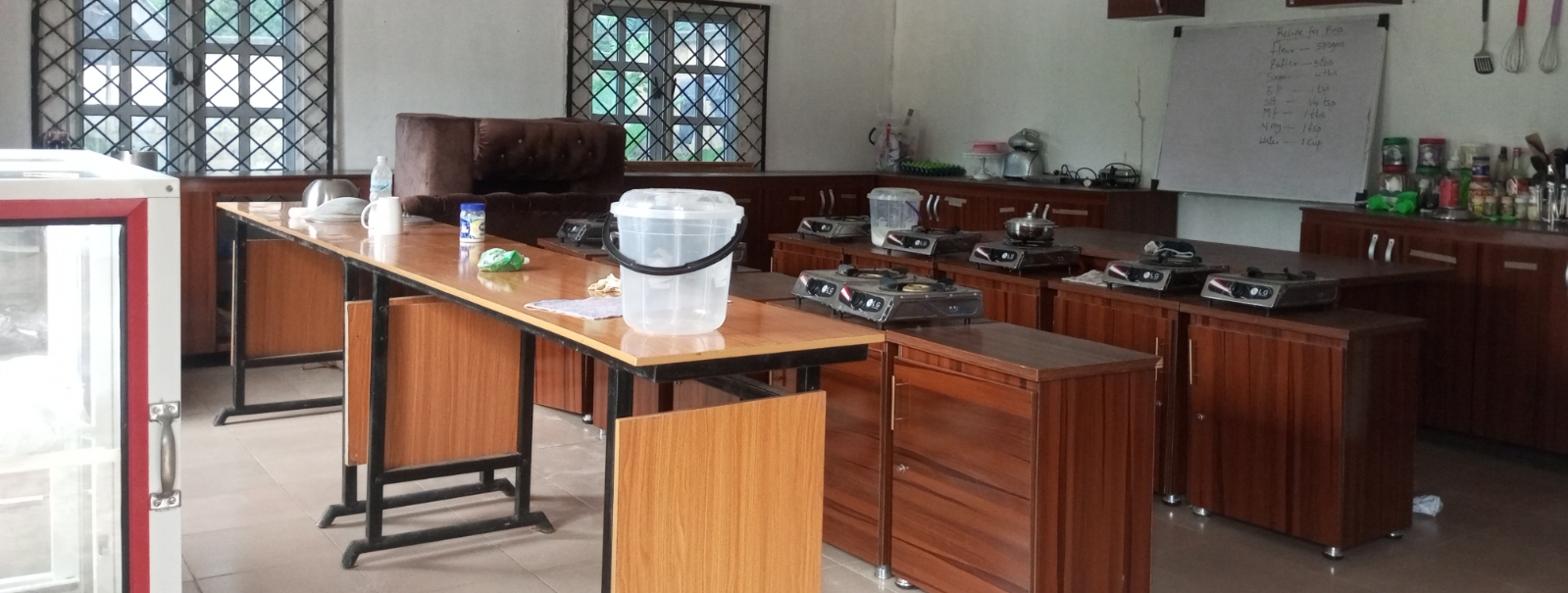
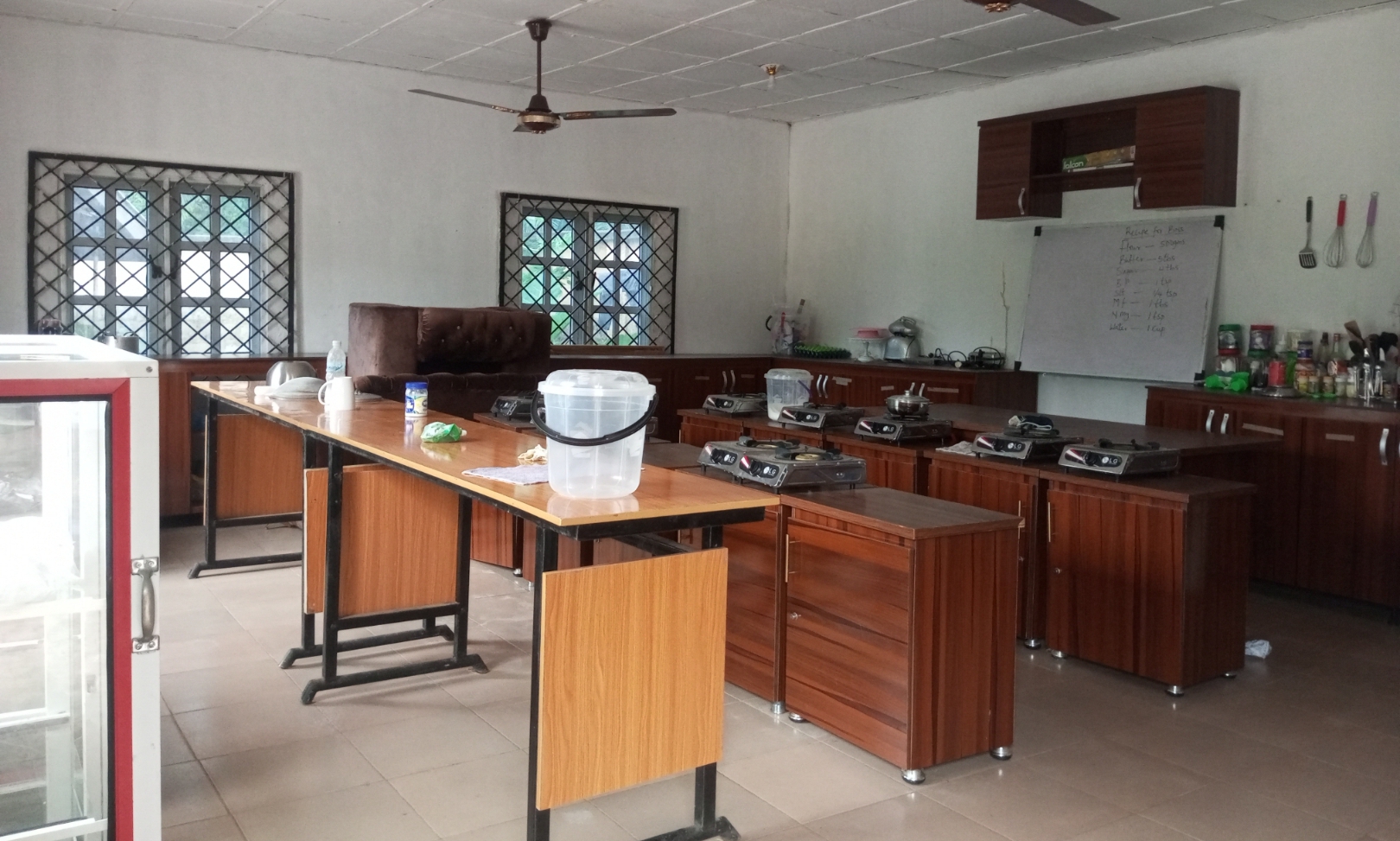
The Catering Department at Our Lady Queen of Angels Polytechnic provides nutritious, affordable, and culturally appropriate meals to students, staff, and visitors while serving as a learning hub for hospitality and culinary students. Operating a central kitchen and multiple dining outlets across campus, the department emphasizes food safety, balanced menus, and efficient service during busy academic days. Menus are planned by nutrition-aware chefs to offer variety—local favorites, continental options, vegetarian choices, and special diet accommodations where feasible.
As part of vocational training, the Catering Department runs practical classes and on-the-job training for students enrolled in hospitality and catering programs. Trainees participate in menu planning, food preparation, service management, inventory control, and basic kitchen administration under supervision. The department maintains strict hygiene standards using certified food-handling procedures and regular kitchen inspections. Procurement focuses on sourcing fresh, locally produced ingredients, supporting community farmers and reducing supply chain costs.
Catering services are structured to be cost-effective for students, with subsidized meal plans and daily meal tickets. Special event catering is available for campus functions, conferences, and visiting delegations, showcasing student skills and providing income opportunities for the department. The department also offers short courses and workshops in culinary skills and food safety for the wider community.
A small innovation unit encourages recipe development, menu diversification, and nutritional improvements, integrating classroom learning with practical enterprise. Through hands-on experience, students develop technical cooking skills, customer service competencies, and an understanding of kitchen business operations—preparing them for careers in hospitality, catering management, and food entrepreneurship.
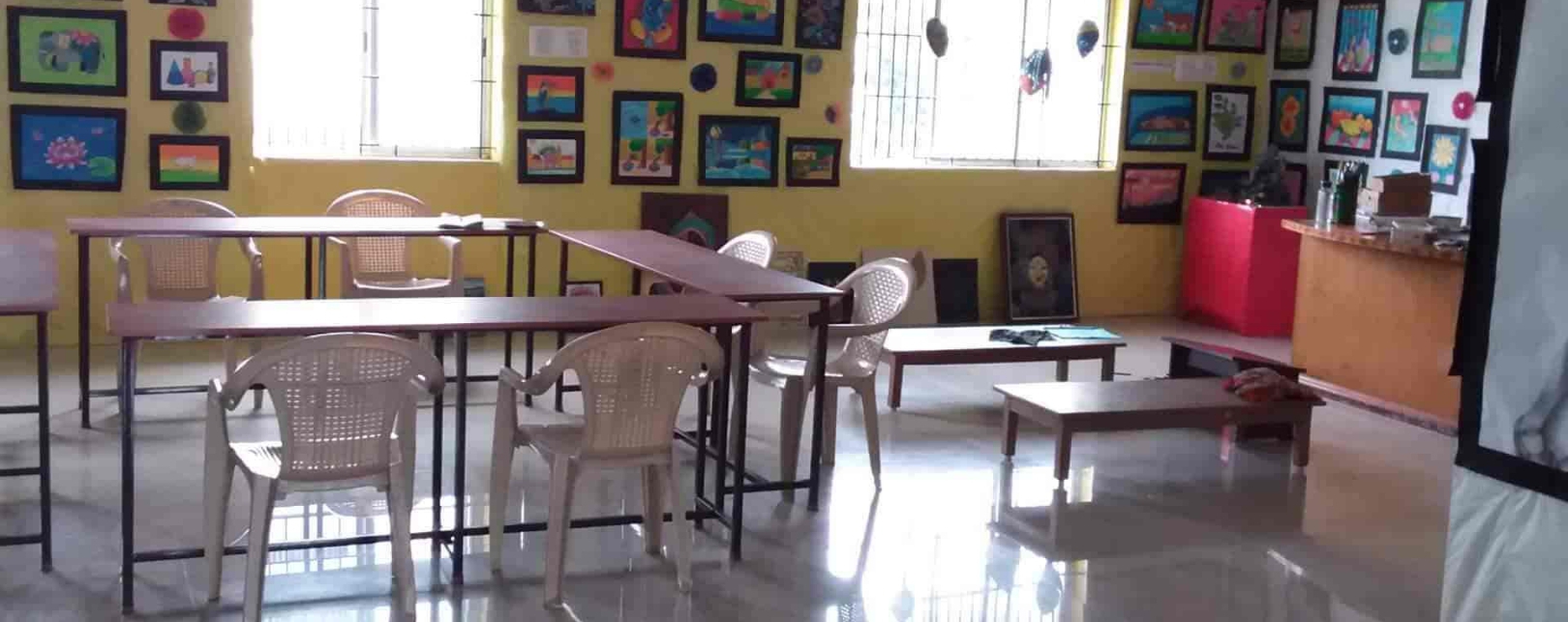
The Arts and Craft Department fosters hands-on creativity in drawing, painting, sculpture, craft design, and traditional artisan techniques. Designed for students interested in artistic practice and small-scale production, the curriculum blends foundational art skills with applied craft entrepreneurship. Studios are equipped for ceramics, carving, textile arts, and mixed-media projects; safety protocols and material handling are taught before studio work.
Students learn drawing fundamentals, color theory, composition, and techniques across media—including clay modeling, wood carving, printmaking, and beadwork. Craft modules emphasize product design, small-batch production techniques, and finishing skills to develop saleable items for markets and exhibitions. The department encourages exploration of indigenous art forms, supporting cultural preservation and community partnerships with local artisans.
Workshops include portfolio development, gallery presentation skills, and basic business training for artisans, covering pricing, packaging, and market access. Community art initiatives and outreach projects embed students in local cultural programs and provide real-world exposure. Exhibitions and craft fairs on campus allow students to showcase and sell work, building entrepreneurship capacity.
By combining artistic skill development with enterprise education, the Arts and Craft Department prepares graduates for careers as studio artists, craft entrepreneurs, community arts facilitators, or for further study in visual arts. The department values creativity, cultural heritage, and practical skills that support livelihoods and community enrichment.

The Audio Engineering Department trains students in the technical and creative aspects of sound recording, live sound reinforcement, and audio production. Training covers microphone selection and placement, signal flow, mixing consoles, recording techniques, and basic acoustics. Facilities include a recording studio, post-production suite, and live sound rehearsal space where students practice studio recording and live mixing.
Students learn to operate analog and digital consoles, use digital audio workstations (DAWs) for editing and mixing, and apply techniques for sound design and post-production. Practical modules include studio session workflows, multi-track recording, mastering basics, and equipment maintenance. Live sound training prepares students to set up PA systems, manage on-stage monitoring, and mix live events under real conditions.
Understanding acoustics and room treatment is part of the curriculum, teaching students how to optimize recording and listening environments. Technical modules cover cabling, audio signal troubleshooting, and basic electronics relevant to audio gear. Industry linkages provide internship placements with recording studios, radio stations, and event production companies.
The department emphasizes professional practice—stage etiquette, session management, client liaison, and project documentation—preparing students for roles as studio engineers, live sound technicians, FOH engineers, or audio editors. Through hands-on training in recording, mixing, and live sound, graduates gain practical skills to work in music production, broadcasting, and event technology sectors.
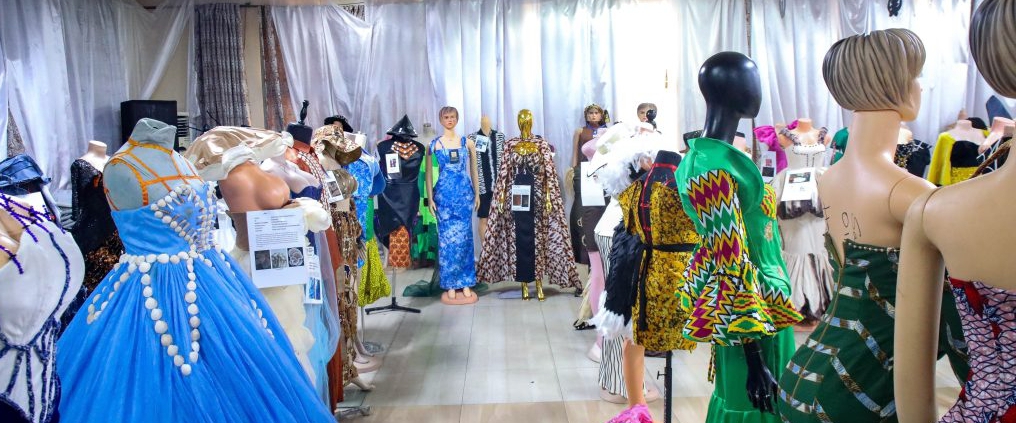
The Fashion and Textile Department at Our Lady Queen of Angels Polytechnic blends creative design with practical technical training to prepare students for careers in apparel production, textile technology, and fashion entrepreneurship. The department’s curriculum covers garment construction, pattern drafting, textile science, surface ornamentation, and fashion illustration. Students learn both traditional tailoring techniques and contemporary practices—CAD-assisted pattern making, digital textile printing, and sustainable material sourcing.
Workshops include sewing labs with industrial machines, cutting tables, pressing and finishing stations, and a sample room for prototyping. Textile labs provide hands-on exposure to dyeing, weaving basics, fabric testing, and quality assessment. Students undertake projects that move from concept sketches to finished garments, gaining experience in fittings, alterations, and workmanship standards expected in industry. Studio modules encourage portfolio development, runway presentation skills, and small-batch production processes.
Industry engagement is strong: the department runs internship placements with local tailors, garment factories, and fashion houses, plus collaborative projects with community artisans to preserve indigenous textile techniques. Entrepreneurship modules guide students on small business management, pricing, sourcing materials, and marketing collections. Sustainability and ethical production form part of the curriculum, teaching students to select eco-friendly fabrics, reduce waste, and explore upcycling.
Showcases and end-of-session exhibitions allow students to display collections to prospective employers and the public. With a focus on applied skills and creativity, graduates leave equipped to work as garment technologists, fashion designers, production supervisors, or to start their own micro-enterprises in fashion and textiles.
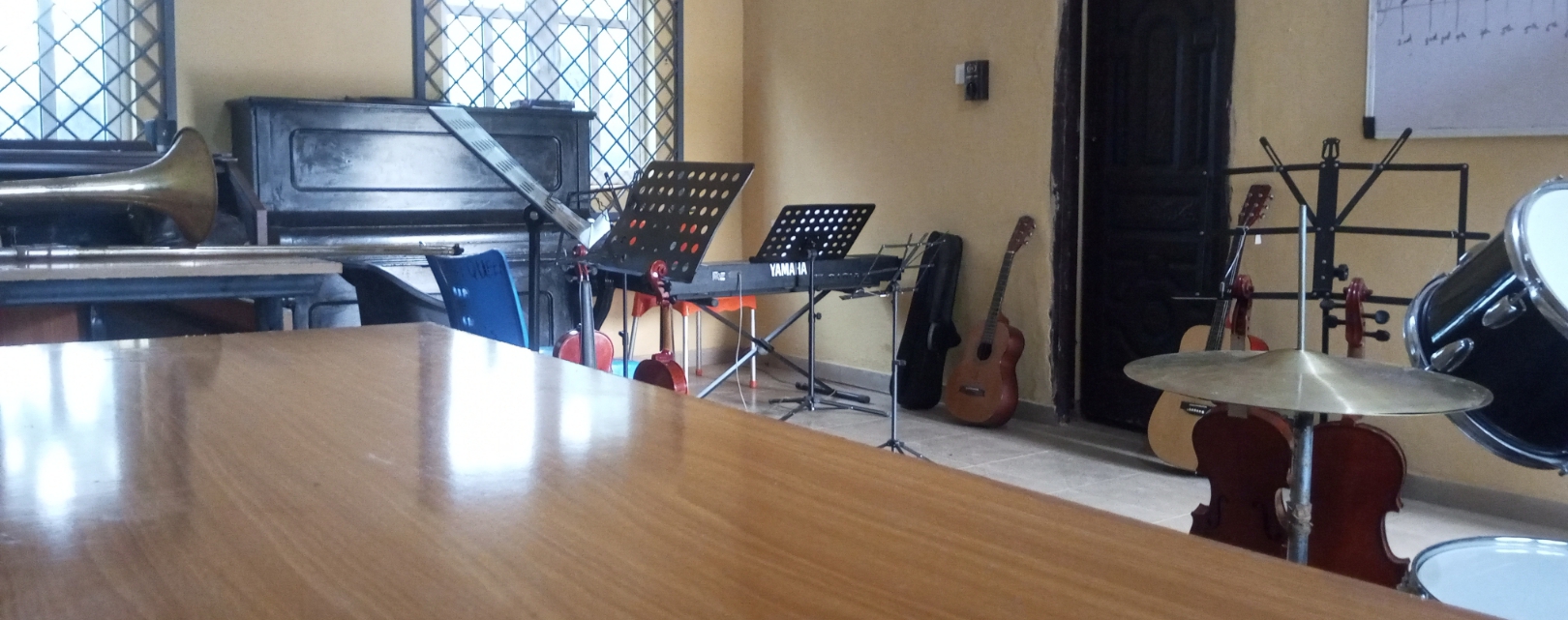
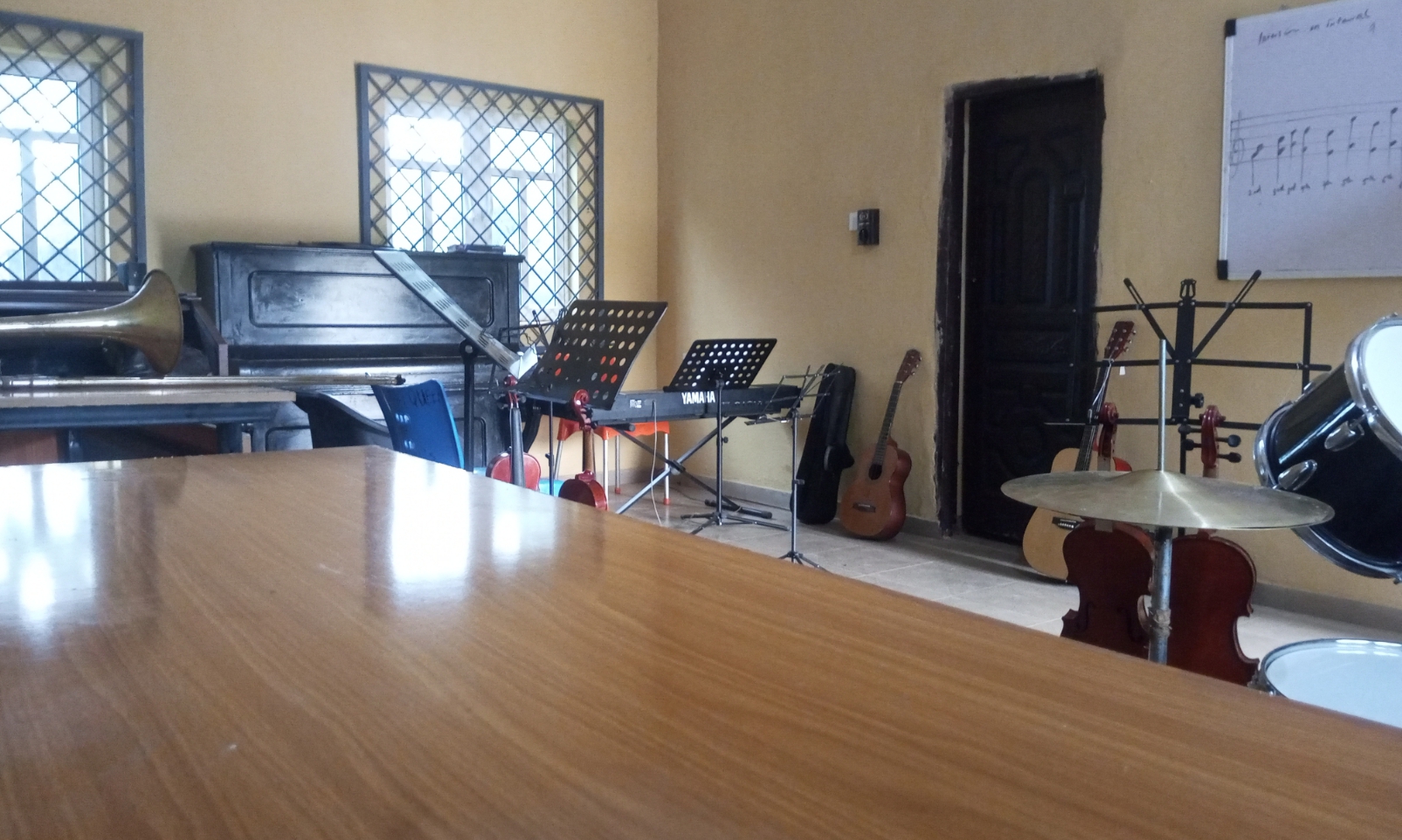
The Music Department at Our Lady Queen of Angels Polytechnic nurtures creative talent and technical proficiency across modern and traditional music forms. The department blends theory, performance, recording, and music production in a curriculum that supports both artistic development and career preparation. Facilities include practice rooms, ensemble rehearsal spaces, and a small recording studio for hands-on work in performance capture and music technology.
Students study music theory, aural skills, composition, instrument technique, vocal training, and ensemble performance. Practical coursework includes arranging, live performance skills, and stagecraft for campus events. The recording studio introduces students to basic audio production: microphone techniques, multitrack recording, digital audio workstations (DAWs), and basic mixing and mastering concepts—skills increasingly valuable in the digital music economy.
Traditional music, cultural appreciation, and community engagement play an important role. The department encourages research into local musical heritage and supports performances that reflect the region’s cultural identity. Collaborative modules with drama and arts departments provide opportunities for interdisciplinary projects like musical theatre and live events.
Performance showcases, recitals, and campus concerts offer students audience experience and exposure. Career-focused modules explore music business essentials, marketing, copyright basics, and opportunities in teaching, performance, and studio work. Through practical training and creative mentorship, the Music Department aims to produce versatile musicians who can perform, teach, or work in recording and live sound industries.
We honour our origins by keeping practical skills training and community service central to our mission.